
How Are Steel Fabrication and Metal Fabrication Different? Choose the Factory That Fits the Scale of Your Work


How Are Steel Fabrication and Metal Fabrication Different? Choose the Factory That Fits the Scale of Your Work
Many people in industry are often confused about whether steel structure work (Steel Fabrication) and metal work (Metal Fabrication) are the same thing, because they are so similar that many use the terms interchangeably. But in fact the two are not quite the same, in material, properties, and nature of use.
In this article, Surasak Engineering compares what Steel Fabrication is and how it differs from Metal Fabrication, and suggests techniques for choosing a manufacturing factory that suits the type of work, so work meets standards and best fits real use.
What Is Steel Fabrication, and How Does It Differ from Metal Fabrication?
Steel Fabrication and Metal Fabrication differ in many ways. Let's look at the meaning and compare the differences of each.
Steel Fabrication
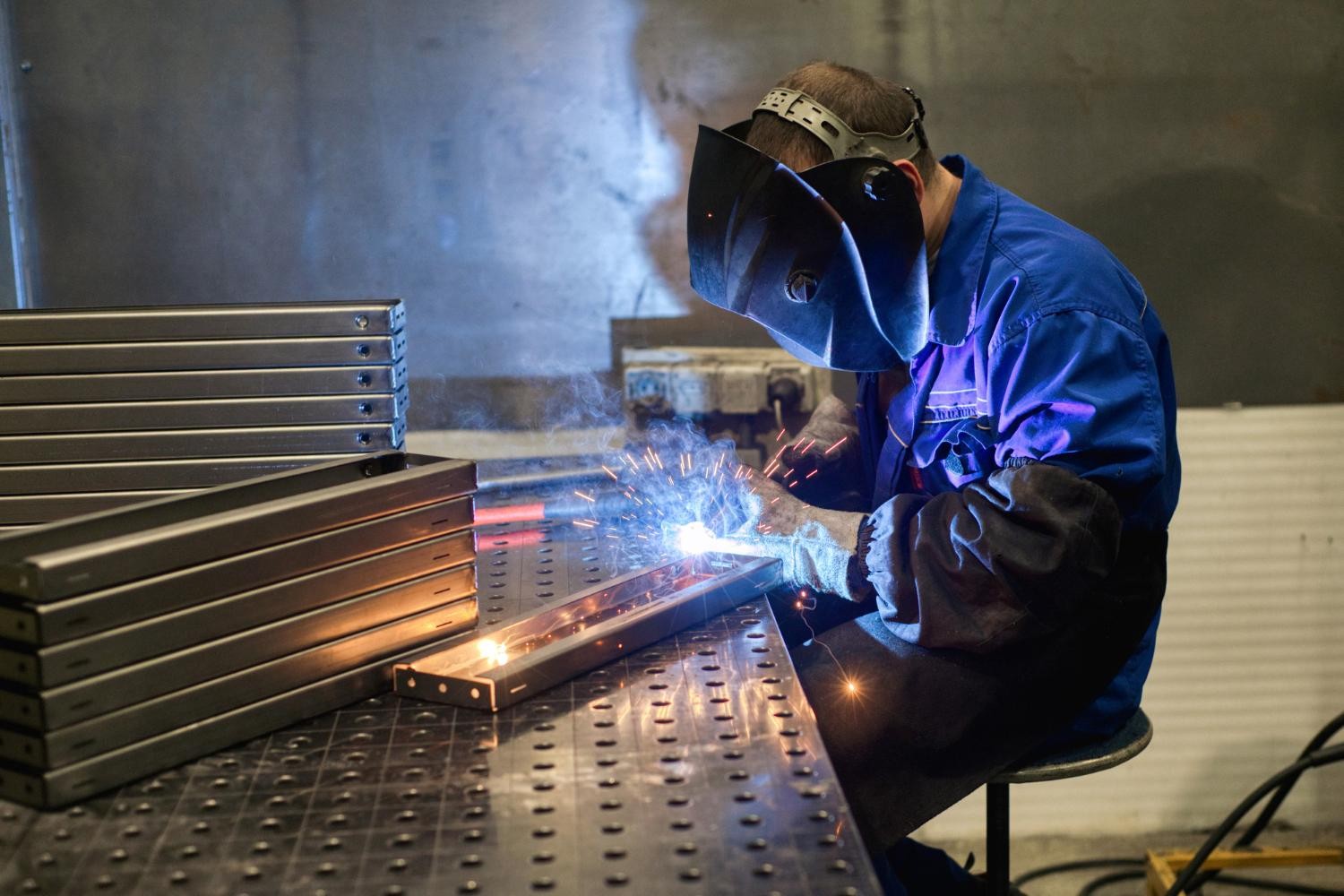
Steel Fabrication is the process of working steel or stainless steel into parts or structures as specified. Its highlight is high strength, bearing load and pressure well, so it is widely used in structural work and large industrial work.
Metal Fabrication
Metal Fabrication is the process of working various alloy metals into parts according to their use. Its highlight is the ability to choose from a wide range of materials by desired properties, such as light weight, flexibility, or good resistance to some types of corrosion.
For a clearer picture, the table below summarizes the differences between Steel Fabrication and Metal Fabrication simply, in material, highlights, and examples of use for each type.
|
Type |
Material |
Highlights |
Example Uses |
|
Steel Fabrication |
Carbon steel, stainless steel |
Strong, bears high load and pressure |
Pressure vessels, Silo tanks, Mixing Tanks, factory building structures |
|
Metal Fabrication |
Aluminum, copper, brass, or various alloys |
Light weight, highly flexible, conducts electricity, and resists some types of corrosion well |
Automotive parts, aluminum window frames, electronic equipment |
3 Key Factors for Choosing a Metal Fabrication Factory So Work Is Precise and Costs Don't Balloon
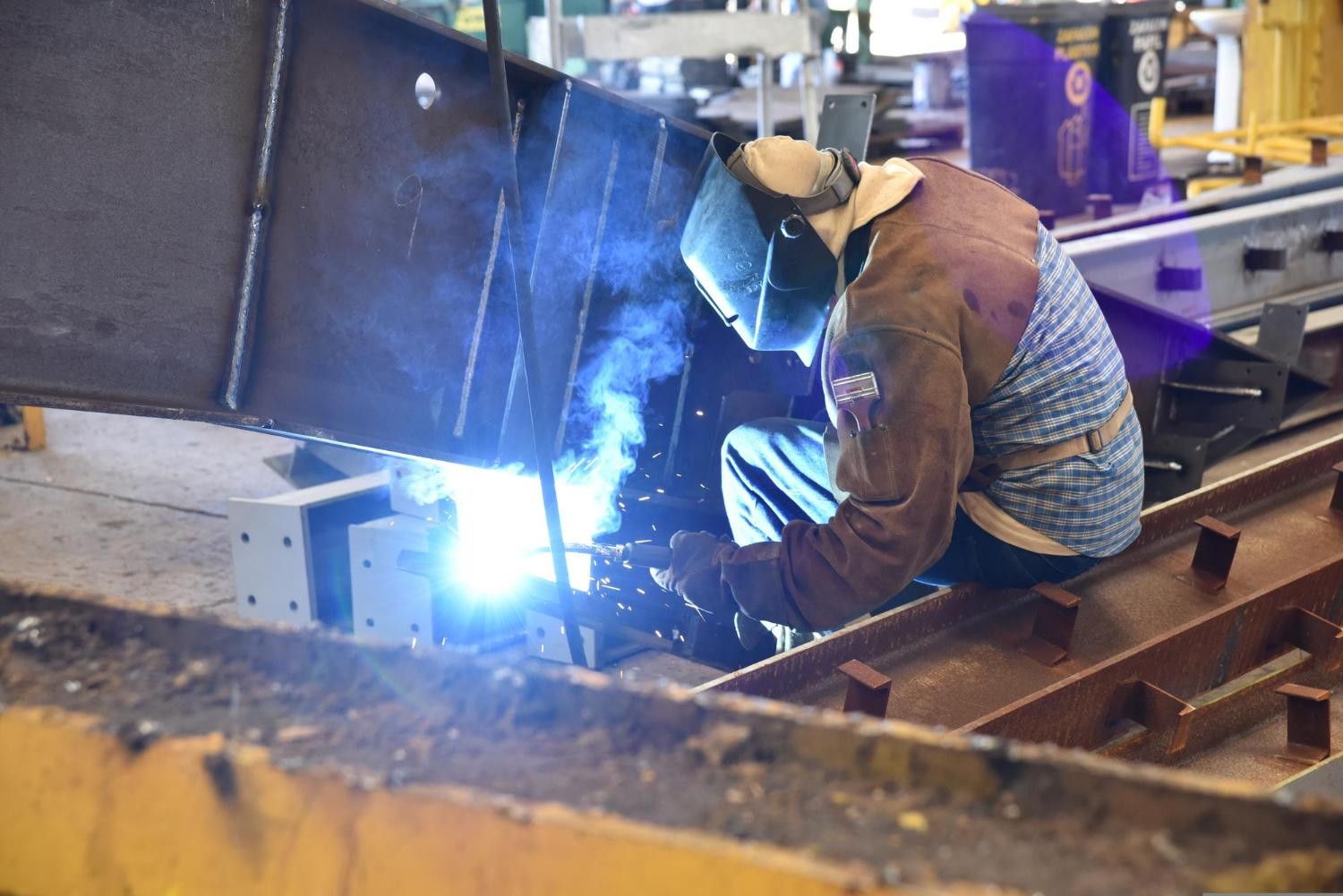
Choosing the wrong factory can leave structures non-standard and cause problems in long-term use. So before deciding, consider these key factors:
1. Expertise in materials and machinery
Each material has different properties. An experienced factory can choose production methods and machinery better suited to the material and type of work.
2. Welding standards and weld testing
Industrial work should have clear welding standards, plus weld inspection procedures to help control quality and reduce safety risk.
3. Experience and quality control
An experienced factory can control quality from production through delivery, helping reduce rework and project delays.
FAQ: Frequently Asked Questions About Steel Structure and Metal Work
What group does stainless steel fabrication fall under?
Stainless steel fabrication falls under Steel Fabrication, because stainless steel is a material in the steel group.
For specialized parts, what information should I prepare for the factory?
Prepare a preliminary Drawing, material requirements, the operating environment, and a rough budget, so the factory can assess a suitable production method better.
Conclusion
Steel Fabrication and Metal Fabrication, although both are fabrication work, differ in material, properties, and nature of use. Choosing an expert, standard-compliant factory is important, because besides making work strong and suited to real use, it also reduces the risk of out-of-spec work, site problems, and repair or maintenance costs that could balloon in the long run.
With over 50 years of industrial experience, Surasak Engineering is expert in steel, metal, and industrial system work. We look after everything from design, fabrication, and welding to inspection and quality control, so work meets standards and suits industrial work of every scale.